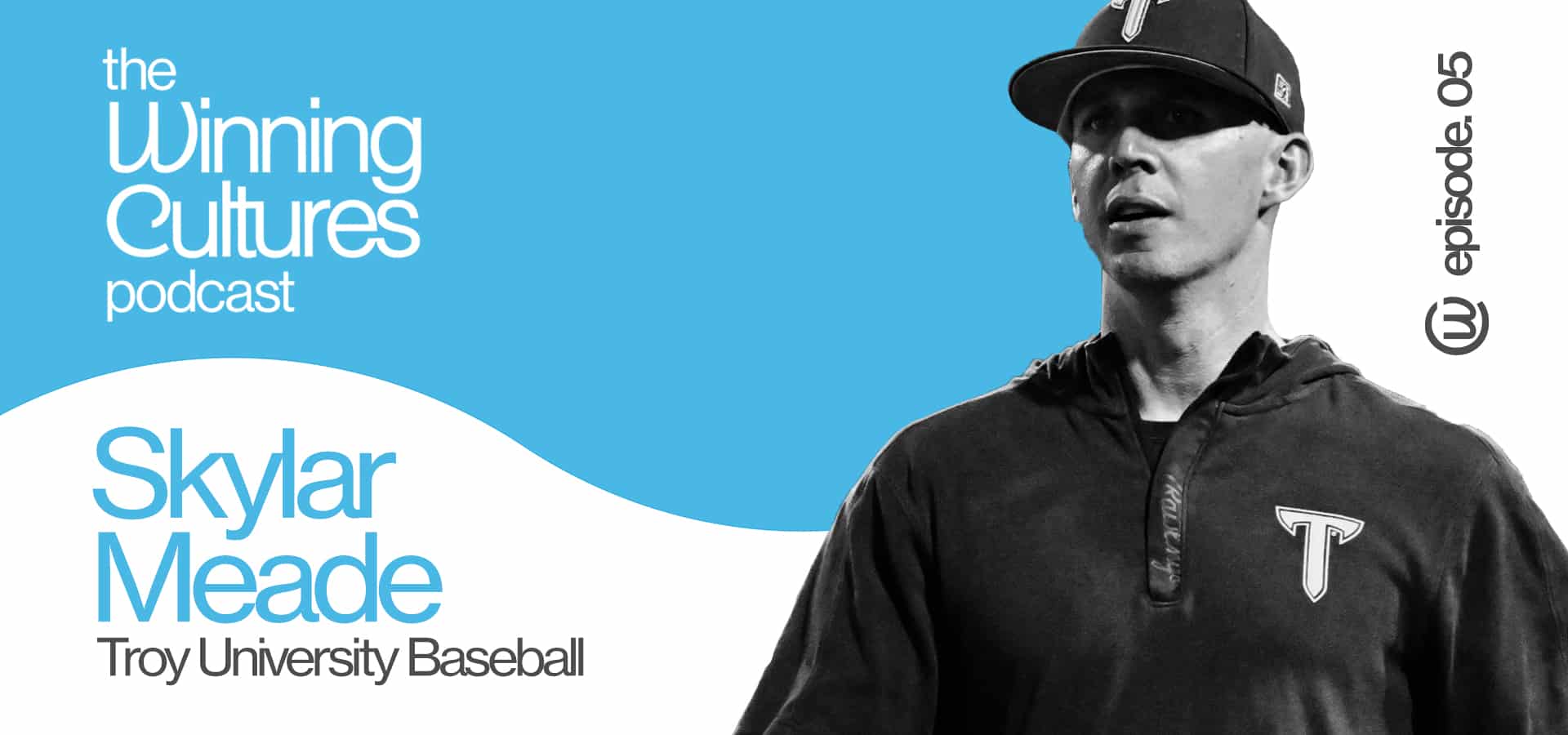
Culture might be the most overused word in sports. When teams win, they have “great culture.” When they lose, it suddenly “stinks.”
In his first press conference as Tigers manager on October 30, 2020, AJ Hinch said:
“If the Tigers organization does a really good job, we’re going to re-establish ourselves as a winning franchise and develop a winning culture. If you want to be a part of it, then come. If you don’t? We’ll beat you.”
At the time, the Tigers were deep in a ten-year playoff drought. They were rebuilding their roster, their reputation, and their identity.
Fast forward four years. Last August, they had a 0.2 percent chance of making the playoffs. Then they won 31 of their final 42 games and clinched a postseason spot.
What changed?
Sure, the team played better. But most importantly, the team aligned around a clear purpose. The players bought into something bigger than stats or contracts. That is culture. The kind that drives performance, whether you are on a field or inside a business.
And it does not happen by accident. Culture without alignment doesn’t last. You need everyone on the same page to make it real.
What Is Employer Branding—and Why It’s Bigger Than You Think
Employer branding is how your company shows up to the people you are trying to recruit and to the people already on your team. It is not just a page on your website or a job post on LinkedIn. It is the story people tell about what it is like to work at your company.
Too often, it is treated as an HR responsibility. But branding that lives only in HR rarely reflects the full picture. When it is built in isolation, it misses the mark—and the right people.
That is because employer branding is not a tactic. It is a shared truth between your culture and your communications. When HR and marketing align, your employer brand becomes more than a recruiting message. It becomes a magnet for talent and a mirror of your values.
How Employer Branding Is a Game Changer for Recruitment
Hiring today is not about broadcasting openings. It is about earning trust. Candidates want to know who they are working for, what the culture is like, and whether it aligns with their values.
Done right, employer branding drives real performance:
- Companies with strong employer brands see 50 percent more qualified applicants
- Turnover drops by 28 percent when the employer brand is aligned with internal culture
- Hiring cycles are up to twice as fast for companies with strong employer brands, according to LinkedIn
In other words, how people perceive your company directly affects how quickly and confidently they apply and whether they stay.
That is what makes employer branding a game-changer for recruitment. It is not fluff. It is a performance lever.
The ROI of Getting This Right
If you’re going to invest time and resources into building your employer brand, you should expect a return. The good news is, when done right, the numbers back it up.
Companies with a strong employer branding strategy see:
- A 43 percent drop in cost-per-hire
- Up to 28 percent higher employee retention
- Two times the likelihood of high employee engagement
That’s not fluff. That’s real operational efficiency.
Hiring managers feel it in shorter time-to-fill. HR teams see it in better culture scores. CFOs notice when recruiting spend stops bleeding into every quarter.
This is how employer branding is a game-changer for recruitment. It doesn’t just attract people. It attracts the right people faster and keeps them longer. And that kind of alignment pays off across the board.
A Simple Framework for Alignment
Building a strong employer brand starts with alignment. HR and marketing each bring something essential to the table. HR understands the culture. Marketing knows how to communicate it. When those teams collaborate, things start to click.
Here’s a simple employer branding strategy framework we use with clients to create that alignment:
1. Define your shared EVP (Employee Value Proposition)
Start by answering three questions: Why do people join? Why do they stay? Why do they leave? HR gathers the insights. Marketing helps shape the message. This becomes the foundation of your employer brand.
2. Build internal alignment
Your team needs to believe in the message before candidates will. Share the EVP internally. Ask for feedback. Adjust where needed. Make sure it feels honest and real.
3. Plan content together
HR understands the employee journey—onboarding, milestones, promotions, exits. Marketing brings the tools to tell those stories. Together, build a content plan that reflects your culture in action.
4. Tell the story consistently
Use real voices. Feature real people. Show what a typical day looks like. This is where your employer brand becomes more than words. It becomes something people can see and feel.
5. Measure what matters
Track what counts. Look at the quality of applicants, referral rates, retention, and employee engagement. Let the data guide the next version of your strategy.
This employer branding strategy gives both HR and marketing a clear role. HR leads with insight. Marketing leads with storytelling. Together, they create a brand that people trust inside and out.
Real-World Storytelling: How It Looks in Action
I recently spoke with Melissa, BAMF Health’s Vice President, People Operations, and Christine, their Marketing and Communications Manager, about how they approach hiring. The conversation was a great reminder that employer branding is not a department. It is a shared mindset.
BAMF operates in a complex, fast-moving space. Their work is technical, innovative, and purpose-driven. That purpose is what draws people in. The benefits are strong. The culture is clear. Retention is not a concern. Their biggest challenge is educating candidates about what they do and how they do it.
What impressed me most was how naturally HR and marketing worked together. Their careers page didn’t exist until Christine recognized the need and partnered with Melissa to build it. The result is a page that reflects the company’s values and invites candidates into the mission. It is not flashy. It is clear and confident. You get a sense of the team before you ever click apply.
They rely on networking, referrals, and reputation. Most successful hires come through people who already understand the culture. Marketing supports the brand, but recruiting is led by HR. The collaboration between Christine and Melissa is intentional, not accidental.
That’s how a strong employer brand takes shape. You do not need a massive campaign to get started. You need alignment, a clear message, and a shared commitment to telling the truth about what it’s like to work there. That’s what employer branding is really about.
Bring Your Employer Brand to Life
When AJ Hinch talked about rebuilding a winning culture, he wasn’t just speaking as a coach. He was aligning the front office, the clubhouse, and the fans around a shared purpose.
That’s what strong employer branding requires: alignment between HR and marketing. Clarity inside. Consistency outside.
At Revel, we help teams connect culture to message, so the right people show up ready to play. If that sounds like the team you want to build, let’s talk.
Frequently Asked Questions (FAQs)
Q: Why does employer branding need both HR and Marketing?
A: Because one owns the experience, the other owns the story. HR understands what it’s really like to work at your company. Marketing knows how to communicate that in a way that resonates. Without both, your message lacks either truth or traction.
Q: What happens when HR and Marketing aren’t aligned?
A: You get mixed messages. Inconsistent tone. A careers page that says one thing while your Glassdoor says another. Misalignment doesn’t just confuse candidates—it costs you good ones.
Q. How do we actually align these two teams?
A: Start with shared goals: recruitment, retention, and reputation. Co-create your EVP. Build a joint content plan. And most importantly—treat employer branding like a business strategy, not a side project.
Stop scrambling. Start strategizing.
Download the Revel 2025 Workforce Planning Playbook and get ahead of the hiring game for good.