If 2025 was the year employers caught their breath, 2026 will be the year they can’t afford to. Talent expectations are changing again, and employer branding is becoming the filter through which people decide where to work—and whether to stay. These are the five trends that will define the year ahead.
Highlights:
- Culture must be visible, not verbal.
- Retention failures become brand failures.
- Personalization is now a baseline expectation.
- Purpose and values drive decision-making.
- Talent metrics are shifting from vanity to meaning.
5 Talent Attraction Trends Defining 2026
Candidates are doing their homework. They’re judging your careers page, your social feeds, your leadership tone, and your employees’ stories long before they hit “Apply.” And if your employer brand isn’t keeping up with how talent actually behaves, your pipeline will tell the story.
Here’s where employer branding is heading next and how organizations can prepare.
Trend 1: Employer Brands Are Becoming Culture Carriers
Your employer brand has one mandate in 2026: carry your culture beyond the building.
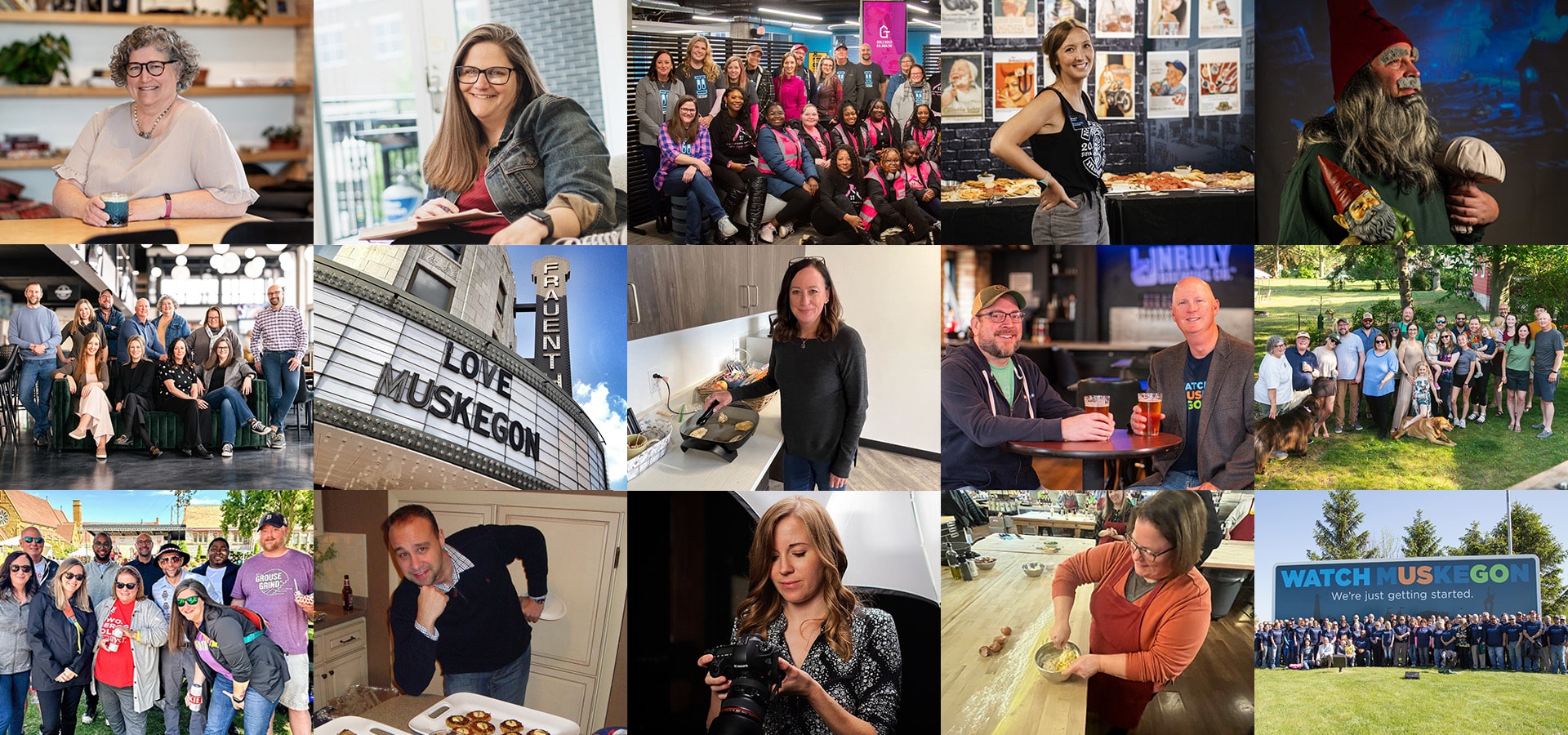
Job candidates no longer trust claims. They trust evidence. They trust people who look like them doing work that feels real. Flashy taglines won’t get you far when the lived experience is what matters.
Show, don’t say.
This doesn’t mean overproduced videos and perfect messaging. It means authentic, behind-the-scenes content. Employee stories. Real environments. Real teams.
Culture isn’t a line in your EVP. It’s the day-to-day reality candidates expect you to demonstrate.
Hybrid, remote, and frontline teams raise the stakes.
When the workforce is distributed, culture becomes harder to experience firsthand and more essential to communicate deliberately. The organizations that tell human-centered, role-specific stories will win affinity faster than those clinging to corporate abstractions.
A recent study out of USC asserts that 37% of communicators report remote/hybrid work has weakened culture, making storytelling key to reinforcing shared values and boosting morale in spread-out teams.
Alignment is your competitive advantage.
If your external story and internal truth don’t match, the market will notice instantly. In 2026, disconnects aren’t just embarrassing, they’re also expensive.
Trend 2: Retention Is the New Recruitment
A shrinking talent pool means one hard truth: Every preventable exit triggers a chain reaction of cost, disruption, and brand damage.
Turnover is no longer just an HR issue; it’s a business stability issue. And candidates can see the red flags coming from miles away. Employee reviews, industry chatter, and the absence of long-tenured team members all speak louder than any job posting.
The financial story is in retention.
Hiring costs. Vacancy drag. Lost productivity. Training overhead. Wage pressure.
Getting retention wrong is now materially more expensive than getting recruitment right.
EVPs are evolving from attraction statements to retention promises.
In 2026, strong employer value propositions will double down on:
- Growth pathways
- Communication transparency
- Manager consistency
- Internal mobility
- A sense of belonging and psychological safety
Organizations that invest in the employee experience—not just the candidate experience—are already outperforming those chasing quick wins.
Trend 3: Personalization Becomes a Brand Expectation
Candidates expect the same personalized experience they get everywhere else in their lives, whether they’re shopping, learning, or interacting with brands.
And they expect it from employers, too.
Generic talent content is officially obsolete.
Recruiters who send the same message to every role are losing response rates. Careers pages that speak in one universal voice are underperforming. The talent market is too fragmented, too specialized, and too saturated for one-size-fits-all content.
AI enables personalization without compromising authenticity.
Leading organizations are using AI to:
- Tailor messaging by job family
- Adapt content to candidate behavior
- Serve relevant stories to specific audiences
- Match role expectations with real culture signals
This is personalization in service of clarity and connection.
Trend 4: Purpose Isn’t Optional. It’s Foundational.
People want to do work that matters, and they want proof that it does.
Purpose has shifted from a marketing concept to an operating system, and talent is paying close attention to whether organizations behave in ways that match their stated values.
Values must be visible in everyday decisions.
Anyone can publish a mission statement. Candidates and employees care whether leaders reinforce it when it’s inconvenient.
Purpose shows up in:
- How you communicate
- How you treat people
- How you show up in the community
- How you make decisions
- How you tell the stories behind your work
If there’s a gap, talent sees it.
Purpose shapes your EVP, your stories, and your credibility.
It’s a filter for decision-making, not just for employers, but for candidates, determining whether your promises feel real.
Trend 5: Metrics Are Catching Up to Meaning
The industry is finally moving past “likes and impressions” as indicators of employer brand success. Leadership teams want what they’ve always wanted: clarity, predictability, and indicators of organizational health.
Modern talent metrics now answer bigger questions.
The KPIs that matter in 2026—those tied to business stability—include:
- Retention
- Early turnover
- Quality of hire
- Engagement sentiment
- Internal mobility
- Hiring velocity by role type
These metrics don’t just tell you what happened. They show you what’s likely to happen if you don’t change course.
Real-time insights are becoming the standard.
Static monthly dashboards don’t cut it anymore. Companies are turning to live signals and AI-driven insights that:
- Detect friction points
- Predict hiring challenges
- Highlight manager impact
- Identify the stories that drive talent behavior
This is where employer branding becomes not just strategic, but operationally essential.
Partner With Revel to Make 2026 Your Breakthrough Year
If you want your employer brand to work harder—for recruiting, for retention, and for your long-term talent strategy—now is the time to move.
- Uncover and articulate their true cultural strengths
- Build EVPs that resonate and retain
- Craft human-centered stories that attract the right people
- Use data to measure what actually matters
Let’s build something greater together.
Frequently Asked Questions (FAQs)
1. What’s the difference between employer branding and recruitment marketing?
Employer branding defines the story; recruitment marketing delivers it. You need both to attract and retain the right people.
2. How often should we revisit our EVP?
Every two to three years. Sooner if employee expectations, leadership, or business strategy changes.
3. What’s the most important place to start improving our candidate experience?
Your careers page. It’s the front door to your culture, and candidates decide in seconds whether to step through it.
Stop scrambling. Start strategizing.
Download the Revel 2025 Workforce Planning Playbook and get ahead of the hiring game for good.